
Hi everyone, Over the past few years, I’ve watched “Chinese wellness” explode in popularity across the West — from gua sha tools in Sephora to matcha lattes and “TCM-inspired” supplements. But I often smile (and sometimes sigh) when I see how it’s presented. So today, I want to give you the real story — from someone who grew up with it.
It’s Not Just “Ancient Beauty Hacks”
In the West, Chinese wellness is often reduced to trendy skincare tools or exotic herbs. But traditional Chinese wellness (what we call yangsheng 养生 — “nourishing life”) is a complete philosophy of living. It’s not about fixing problems when they appear. It’s about preventing them in the first place.
The core idea comes from two ancient traditions: Daoism and Traditional Chinese Medicine (TCM). Both see the human body as a microcosm of nature. When you’re in harmony with natural rhythms — seasons, day and night, your own emotions — you thrive. When you fight them, dis-ease appears.
The Central Concepts (Explained Simply)
1. Qi (Chi) — Your Vital Energy Think of Qi as your body’s battery and circulation system combined. It’s not mystical woo-woo; Chinese doctors observe it through pulse, tongue diagnosis, and how you look and feel. When Qi is abundant and flowing smoothly, you have energy, clear skin, good digestion, and stable mood. When it’s stagnant or deficient, you feel tired, bloated, irritable, or get sick easily.
2. Yin and Yang Balance This is the most misunderstood concept. It’s not just “feminine and masculine.” It’s about complementary opposites:
- Yin: cooling, nourishing, rest, fluids, night
- Yang: warming, active, energizing, day
Modern city life (especially in the West) is extremely Yang — constant stimulation, cold air-conditioning, late nights, intense workouts. Many of my Western friends come to me complaining of burnout, anxiety, and poor sleep. They often need more Yin.
3. Food as Medicine In China, we don’t separate food and medicine. Every meal is an opportunity to balance your body.
- Feeling hot and inflamed? Eat cooling foods like cucumber, watermelon, mung beans.
- Feeling cold and tired? Add ginger, lamb, or cinnamon.
We have an entire system called “food therapy” (shiliao). There’s a reason congee (rice porridge) is the ultimate comfort food when someone is sick.
Common Practices You’ve Probably Seen
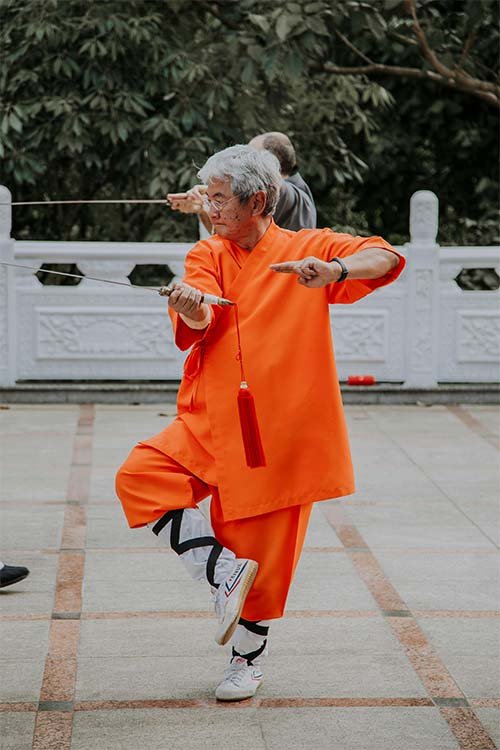
- Tai Chi & Qigong: Slow, intentional movement that combines breath, meditation, and gentle exercise. Better for longevity than most HIIT classes.
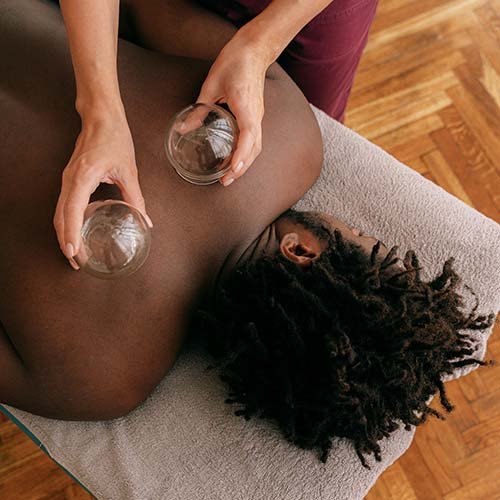
- Acupuncture & Cupping: These work by regulating Qi flow and reducing inflammation. The science is catching up — studies show acupuncture is effective for pain, migraines, and anxiety.
- Herbal Medicine: Not random “ancient Chinese secrets.” Formulas are highly individualized. What works for your friend may not work for you.
- Gua Sha & Tuina: These aren’t just beauty tools. They’re forms of manual therapy to release muscle tension and move stagnant blood.
What the West Often Gets Wrong
- One-size-fits-all trends That $80 jade roller might feel nice, but real Chinese wellness is highly personalized based on your constitution (tizhi). A person with “damp heat” constitution should avoid very different foods than someone with “Qi deficiency.”
- Over-romanticizing the “ancient” Modern Chinese people combine tradition with science. We go to TCM hospitals that have both herbal departments and MRI machines. The best approach is integrative.
- Ignoring the lifestyle part Taking astragalus or doing gua sha won’t save you if you sleep at 2am, eat ultra-processed food, and live in constant stress. Yangsheng is mostly about daily habits.
How to Start Practicing Chinese Wellness (Practically)
- Live by the seasons: Eat more root vegetables and warming spices in winter. Eat light, fresh foods in summer.
- Protect your digestion: In TCM, the spleen and stomach are the foundation of health. Don’t drink ice water with meals. Chew slowly. Don’t eat when emotional.
- Balance your emotions: Each organ is linked to an emotion (liver = anger, heart = joy, etc.). Suppressed emotions create physical blockages.
- Morning routine: Many Chinese elders do gentle exercise, drink warm water, and get morning sunlight.
Chinese wellness isn’t about achieving a perfect body or never getting sick. It’s about resilience — the ability to adapt and recover quickly when life inevitably throws challenges at you.
I’d love to hear from you. What’s one Chinese wellness practice you’ve tried? Did it work for you, or did something feel off? Drop a comment below — I read them all.
If you want more practical guides (seasonal meal plans, simple Qigong routines, or how to understand your own constitution), let me know and I’ll write deeper dives.