

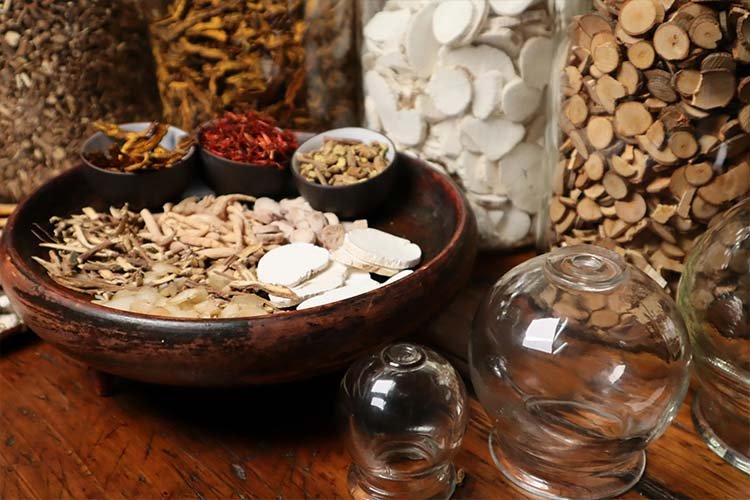
If wellness had a family cookbook, Traditional Chinese Wellness would be the recipe grandma swears by, your doctor politely nods at, and your fitness app would probably call “algorithmically unproven but spiritually comforting.” It’s an ancient approach to health that focuses on balance, prevention, and daily habits that help the body stay in harmony.
What It Is
Traditional Chinese Wellness comes from Traditional Chinese Medicine, or TCM, which views the body as a connected whole rather than a pile of unrelated parts. In plain English: your sleep, stress, digestion, movement, and emotions are all on the same team, whether they like it or not.
The classic framework often includes ideas like yin and yang, qi, and the five-element theory. These are traditional concepts for understanding balance and patterns in the body, not modern biomedical measurements.
The Big Idea
The central message of Traditional Chinese Wellness is simple: don’t wait until your body is waving a red flag like a nervous airport marshal. Instead, support your health every day through habits that help maintain balance and reduce strain.
That means food, movement, sleep, and stress management matter a lot. In TCM terms, prevention is the star of the show; symptoms are often treated as clues that something deeper may be out of balance.
Common Practices
TCM commonly includes five main practices: herbal medicine, tuina bodywork, tai chi or qigong, acupuncture or acupressure, and lifestyle counseling such as diet and stress management. Think of it as a wellness toolbox with more variety than most people’s kitchen drawers.
- Herbal medicine: Uses traditional plant-based formulas, though safety matters because herbs can have side effects or interact with medications.
- Tai chi and qigong: Gentle movement and breathing practices that are often used to support balance, relaxation, and physical function.
- Acupuncture and acupressure: Methods that stimulate specific points on the body; acupuncture is used in some settings for pain and other conditions, though evidence varies by use case.
- Tuina: A form of Chinese therapeutic bodywork or massage.
- Food and lifestyle guidance: Emphasizes seasonal habits, moderation, and routines that support digestion and recovery.
What Science Says
Here’s the honest, non-magical, very grown-up part: some TCM-related practices have evidence for certain uses, and others are better understood as traditional frameworks rather than proven medical mechanisms. For example, acupuncture and tai chi have been studied more than many people realize, but results depend on the condition and the quality of the evidence.
Herbal remedies deserve special caution because “natural” does not automatically mean “safe,” which is a lesson the supplement aisle keeps trying to teach us the expensive way. If someone is using herbs, it’s smart to check for medication interactions and use qualified guidance.
A Practical Starter Plan
You do not need a silk robe, incense, or a dramatic gong to begin. A beginner-friendly version of Traditional Chinese Wellness can be very ordinary in the best way possible.
Try this:
- Go to bed at a consistent time and protect your sleep.
- Eat more warm, simple meals if that feels comfortable for your digestion.
- Walk, stretch, or do 10 to 15 minutes of qigong or tai chi.
- Slow down meals and avoid eating in full “email apocalypse” mode.
- Treat stress as a body problem too, not just a mood problem.
A Balanced View
Traditional Chinese Wellness can be a useful way to think about healthy routines, especially when it encourages better sleep, movement, and mindful eating. Its strongest modern value is often in the habits it promotes, not in turning every health issue into a mystical puzzle.
Used wisely, it can complement modern healthcare rather than compete with it. The smartest approach is to keep the good habits, stay skeptical of miracle claims, and remember that your body prefers steady maintenance over last-minute heroics.
END
So if Western wellness often says, “Fix it fast,” Traditional Chinese Wellness tends to say, “Let’s keep the whole system from acting like a group chat at midnight.” That slower, steadier philosophy is why it still resonates today.