
Hello, my friends from across the ocean! I’m a Chinese food blogger who has spent over 20 years eating my way through every province in China (and yes, I’ve gained a few happy kilograms doing it). When I talk to friends in Europe and America, I often hear the same thing: “Chinese food is great, but it all tastes kind of similar.”
That couldn’t be further from the truth. China is a vast country — larger than the European Union — with dramatically different climates, geographies, histories, and ethnic groups. These differences created eight major culinary traditions (and countless smaller ones). Today, I want to give you a friendly, practical guide to the most important regional differences so that the next time you order Chinese food — or better yet, visit China — you’ll know exactly what you’re getting into.
1. Northern Cuisine: Wheat, Boldness & Comfort (北京 & 山东风格)
Think of Northern China as the land of wheat, cold winters, and hearty appetites. The staple is not rice but flour — dumplings (jiaozi), steamed buns (mantou), hand-pulled noodles (lamian), and pancakes.
- Signature tastes: Salty, savory, with generous use of garlic, scallions, and vinegar.
- Famous dishes: Peking Duck (crispy skin, thin pancakes, sweet bean sauce), Shandong-style seafood (light but fresh), and Zhajiangmian (noodles with fermented soybean paste).
- Personality: Bold and straightforward, like the people of the North. It’s winter survival food that warms your soul.
If you love Italian pasta or German dumplings, Northern Chinese food will feel familiar and comforting.
2. Cantonese (Guangdong) Cuisine: Freshness Above All (粤菜)
This is the style most Westerners first encounter, thanks to early immigration from Guangdong and Hong Kong. Cantonese food is the “elegant minimalist” of Chinese cooking.
- Core philosophy: “The freshest ingredients need the least seasoning.” Seafood is alive until the moment it hits the wok.
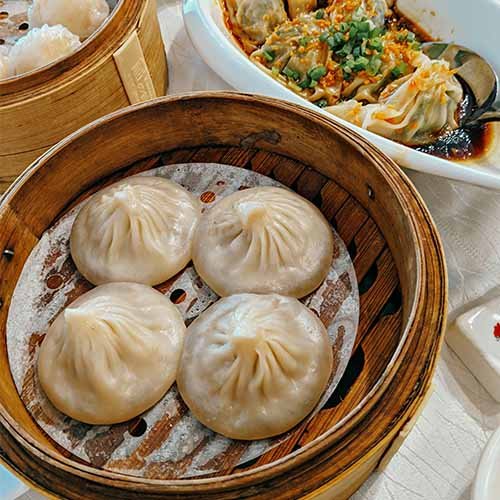
- Signature dishes: Dim Sum (steamed dumplings, buns, and rolls in bamboo baskets), Char Siu (sweet BBQ pork), steamed fish with ginger and scallions, and double-boiled soups.
- Taste profile: Light, slightly sweet, clean. Garlic, ginger, and soy are used gently. They prize xian (natural umami) over heavy spice.
Pro tip: Real Cantonese restaurants serve dim sum only in the morning and early afternoon — that’s the authentic way.
3. Sichuan & Hunan: The Fiery Southwest (川菜 & 湘菜)
Welcome to the spicy kingdom! Sichuan and Hunan cuisines are what give Chinese food its fiery reputation in the West.
- Sichuan (四川): Famous for mala (numbing spiciness from Sichuan peppercorns) and heavy use of chili, garlic, and fermented bean paste.
- Must-tries: Mapo Tofu, Kung Pao Chicken (the real version is drier and more complex), Dan Dan Noodles, and Hot Pot that makes your lips tingle.
- Hunan (湖南): Even spicier than Sichuan in many cases, but with more pure chili heat and less numbing sensation. They love smoked meats and sour-spicy flavors.
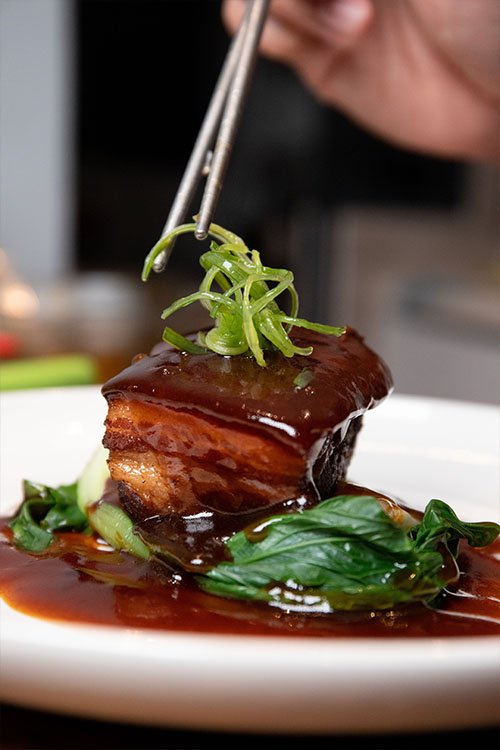
- Signature: Chairman Mao’s Red-Braised Pork, Steamed Fish Head with Chopped Chilies.
If you can handle Thai or Mexican heat, you’ll survive — but start slow. The spice here is not just heat; it’s a complex, addictive flavor layer.
4. Eastern Cuisine: Sweet, Delicate & Refined (江浙沪)
Jiangsu, Zhejiang, and Shanghai cuisines are often called “the scholar’s food” — elegant, balanced, and subtly sweet.
- Key characteristics: Fresh river ingredients, delicate knife work, and gentle braising (“red cooking” with soy sauce, sugar, and Shaoxing wine).
- Famous dishes: Shanghai Xiaolongbao (soup dumplings that burst in your mouth), West Lake Vinegar Fish, Beggar’s Chicken (chicken baked in lotus leaves and clay), and Jiangsu’s famous “Lion’s Head” meatballs.
- Taste: Sweet-savory balance. Sugar is used more here than in other regions.
This style feels luxurious and refined — perfect for special occasions.
5. Other Notable Traditions
- Fujian (闽菜): Seafood-heavy with a love for sweet-sour soups and “Buddha Jumps Over the Wall” (an extravagant soup with dozens of ingredients).
- Anhui (徽菜): Mountain-style cooking with wild herbs, bamboo shoots, and strong braised flavors.
- Shandong (鲁菜): One of the oldest and most influential — refined techniques that shaped many other styles.
Why Does This Matter?
Because when you go to a generic “Chinese restaurant” abroad, you’re often eating a simplified, Americanized or Europeanized version of Cantonese food with some Sichuan elements thrown in. Authentic regional food in China is far more diverse than most people realize — just like how Italian food isn’t just pizza and pasta, or how French food varies wildly from Normandy to Provence.
Practical tips for travelers and foodies:
- Look for restaurants that specialize: “Sichuan Cuisine,” “Guangdong Home Cooking,” “Shanghai Style,” etc.
- In China, ask locals: “What’s your city’s most famous dish?” (最有名的本地菜是什么?)
- Don’t be afraid of street food — some of the best regional flavors hide in night markets.
- Spice tolerance: Tell them “slightly spicy” (微辣) if you’re unsure.
China’s regional cuisines tell the story of our land: the wheat fields of the North, the rice paddies of the South, the mountains of the West, and the rivers and seas that feed us all. They reflect our history of trade, migration, emperors, and everyday families cooking with whatever nature provided.
Next time you crave Chinese food, don’t just order the usual. Try something new from another province. Your taste buds — and your understanding of China — will thank you.
Have you tried any regional Chinese dishes that surprised you? Drop a comment below — I read every single one and love recommending authentic spots!