
Every year on the fifth day of the fifth lunar month, China comes alive with the Duanwu Festival, also known as the Dragon Boat Festival. Recognized by UNESCO as part of the world’s intangible cultural heritage, this energetic holiday blends history, food, sport, and community spirit.
For travelers seeking authentic Chinese culture, Duanwu offers a fantastic opportunity to experience living traditions firsthand — from thrilling dragon boat races to hands-on zongzi-making workshops.
The Origin of Duanwu Festival
The festival is deeply tied to Qu Yuan, a patriotic poet and minister of the ancient state of Chu during the Warring States period. Known for his loyalty and reformist ideals, Qu Yuan was exiled due to court politics. He continued writing masterpieces such as Li Sao, Jiu Ge, and Tian Wen, expressing profound love for his homeland.
In 278 BCE, when the capital of Chu fell, Qu Yuan drowned himself in the Miluo River. Local people rowed out in boats to search for his body and threw rice dumplings into the river to protect it from fish. These acts are believed to be the origins of dragon boat racing and eating zongzi.
Over centuries, the day evolved from a memorial into a joyful folk festival celebrating patriotism, health, and protection from misfortune.
What People Do During Duanwu Festival
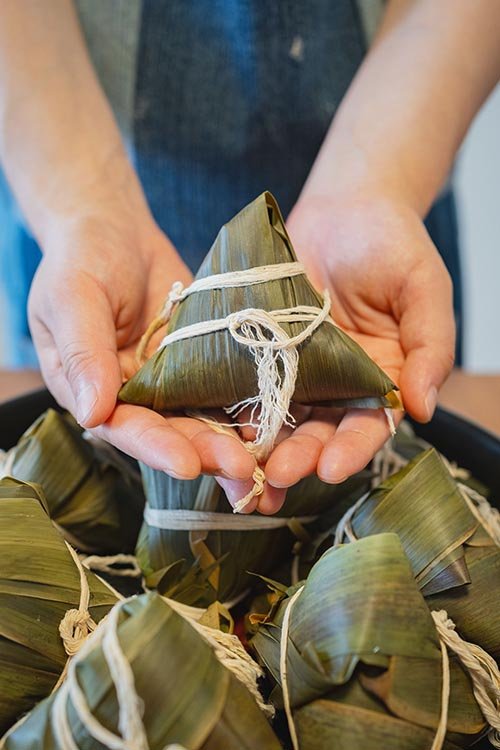
Making Zongzi Zongzi — sticky rice dumplings wrapped in bamboo or reed leaves — are the festival’s signature delicacy. Fillings vary by region: savory pork and salted egg yolk in the south, sweeter red bean or jujube versions in the north. Many families turn dumpling-making into a festive group activity. Tourists can join workshops in popular destinations to learn this traditional skill and take home their creations.
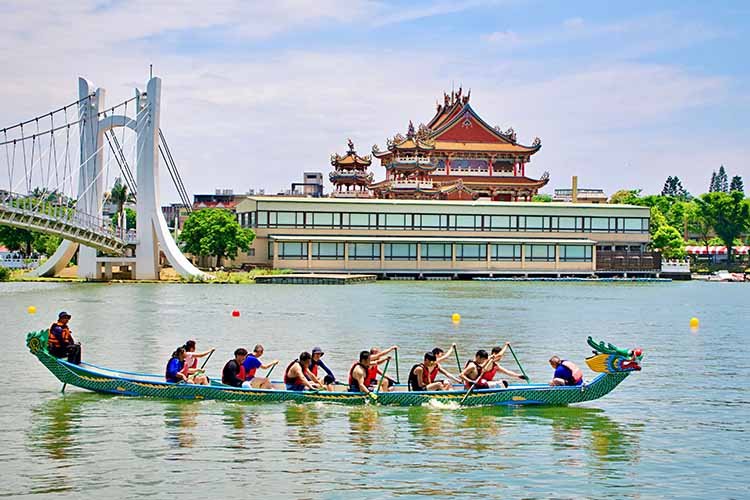
Dragon Boat Racing The highlight of the festival is the spectacular dragon boat races. Teams paddle colorful, dragon-shaped boats to the rhythm of loud drums while crowds cheer from the banks. Famous venues include:
- Miluo River in Yueyang, Hunan (Qu Yuan’s historic site)
- Guangdong province
- Water towns like Hangzhou, Jiaxing, Fuzhou, and Suzhou
Many cities combine races with cultural fairs, folk performances, and exhibitions, creating a lively atmosphere perfect for visitors and photographers.
Other Traditional Customs
- Hanging mugwort and calamus at doorways to ward off evil and illness
- Wearing fragrant herbal sachets (especially for children)
- Tying colorful threads around wrists or ankles for protection
- Drinking realgar wine (often symbolic today)
These simple rituals reflect the Chinese belief in festivals as times for renewal, balance, and blessings.
Best Places to Experience Duanwu Festival
Yueyang, Hunan The most authentic location, directly linked to Qu Yuan and the Miluo River. Visit Yueyang Tower and soak in the historical atmosphere.
Zhenyuan, Guizhou A picturesque ancient town offering dragon boat races alongside rich minority cultural experiences.
Jiaxing, Zhejiang Classic Jiangnan water town scenery with charming boat races and delicious local zongzi.
Beijing & Xi’an Convenient options for short visits, with large public events, folk activities, and performances in parks and tourist areas.
Why the Festival Still Matters
Duanwu Festival keeps Qu Yuan’s patriotic spirit alive while giving modern Chinese families a chance to reconnect with tradition. For international travelers, it’s one of the most rewarding times to visit China — warm weather, lush landscapes, and vibrant cultural immersion.
END
If you’re planning a trip to China in late spring or early summer, consider timing it with Duanwu Festival. Whether cheering at a dragon boat race, wrapping your first zongzi, or exploring historic riverside towns, you’ll gain a deeper appreciation for China’s living heritage.
Duanwu Festival reminds us that culture stays alive through food, movement, and shared celebration — one paddle stroke and one sticky rice dumpling at a time.
Happy Duanwu Festival! May your journey be safe, healthy, and filled with good fortune.