
If you’ve ever asked yourself, “What is Chinese etiquette?”, you’re not alone. Many of my Western friends have asked me this exact question, often expecting a simple list of dos and don’ts.
But from my perspective as a Chinese person, etiquette isn’t just about rigid rules — it’s about relationships, respect, and maintaining harmony in everyday life.
In this article, I’ll walk you through real-life situations so you can understand not only what we do, but more importantly, why we do it.
Understanding Chinese Etiquette: It’s All About Harmony
At its core, Chinese etiquette revolves around one central idea: harmony (和). We strive to avoid conflict, protect each other’s dignity (face), and keep social interactions smooth and pleasant.
This cultural foundation influences how we speak, eat, give gifts, show respect, and even how we handle disagreement.
Social Etiquette in China: Respect and Subtlety
One of the first things foreigners notice is the deep respect for elders. In daily life, this means letting older people go first, offering them the best seat, and addressing them warmly as “Auntie” or “Uncle,” even if they’re not family.
Chinese people also tend to communicate indirectly. Rather than saying a blunt “no,” we often say “maybe next time” or “I’ll think about it.” This helps preserve harmony and prevents embarrassment.
Modesty is another core value. When praised, we usually downplay the compliment rather than accept it directly. It’s not false humility — it’s a cultural way of showing respect and balance.
Dining Etiquette: Where Chinese Culture Comes Alive
If you want to truly understand Chinese etiquette, join us at the dinner table.
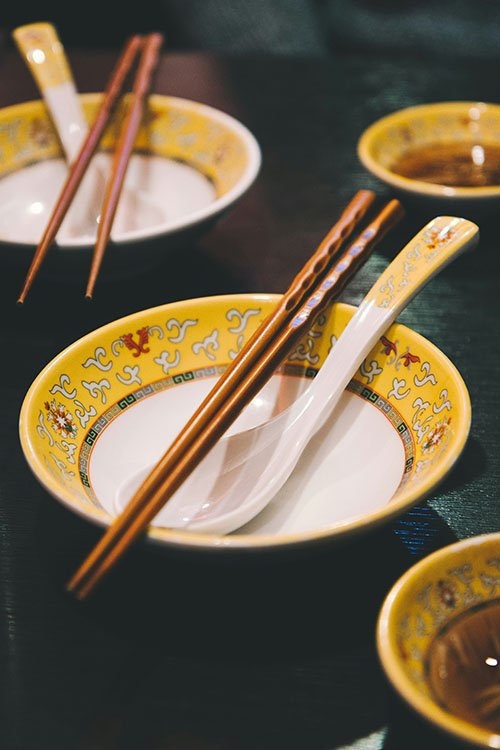
Meals are communal. Dishes are placed in the center, and everyone shares. It’s common for people — especially hosts — to serve food to elders and guests before serving themselves.
Key taboos to remember:
- Never stick chopsticks upright in a bowl of rice (it resembles funeral offerings).
- When someone pours tea for you, gently tap the table with two fingers to say “thank you.”
Dining etiquette is not about strict rules, but about showing care, respect, and attention to others.
Gift-Giving Etiquette: Meaning Over Material
Gift-giving in China is rich in symbolism.
Certain items are avoided because their names sound like unlucky words — for example, clocks (“sòng zhōng” sounds like attending a funeral) or white flowers.
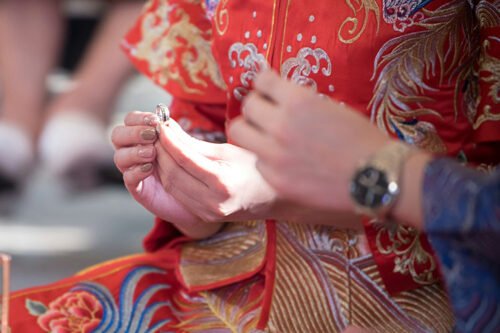
When giving or receiving a gift, always use both hands. It’s also polite to politely refuse the gift one or two times before accepting it. This shows modesty and gratitude.
Visiting someone’s home? Bring a small gift like fruit, tea, or pastries — it’s a simple but meaningful gesture.
Hierarchy and Social Roles
Hierarchy still plays a visible role in Chinese social life. You’ll notice it in seating arrangements, order of speaking, and the frequent use of titles such as “Manager Li” or “Teacher Wang.”
This isn’t about being rigid — it’s about showing appropriate respect and maintaining social order.
Communication Style: What’s Not Said Often Matters Most
Chinese communication is “high-context.” A lot of meaning lies in tone, context, and implication rather than direct words.
We generally avoid open confrontation to protect “face” (miànzi). Criticism, when necessary, is usually delivered gently and indirectly.
To Westerners this can sometimes feel vague, but for us, it’s a practical way to preserve relationships.
Hospitality: A Beautiful Ritual of Care
When you visit a Chinese home, expect warm and persistent hospitality.
The host will offer you the best seat, the best food, and keep encouraging you to “eat more.” Even if you say you’re full, they may insist several times.
As a guest, it’s customary to initially decline politely before accepting. This friendly back-and-forth is part of the cultural ritual.
Everyday Etiquette You’ll Notice in China
- Take off your shoes when entering someone’s home
- Bring a small gift when visiting
- Don’t open gifts immediately in front of the giver
- Avoid overly direct criticism in public
- Speak more softly in formal or shared spaces
What Chinese Etiquette Really Means
If I had to explain Chinese etiquette in one sentence, it would be this:
It’s about maintaining harmony through respect, modesty, and thoughtful behavior.
Once you understand this deeper purpose, Chinese etiquette stops feeling like confusing rules and starts making natural, human sense.