
For many first-time visitors to China, transportation can feel intimidating—different language, unfamiliar payment systems, and new rules. The good news? China has one of the most advanced and efficient public transit systems in the world. Once you know how it works, getting around is often easier than driving.
1. Set Up These Two Essentials First
Before you start exploring, make sure you have these ready:
Mobile Payments (Alipay or WeChat Pay)
China is largely cashless. Download Alipay or WeChat Pay and link your international credit or debit card. Once set up, you can use QR codes to pay for almost everything—metro rides, buses, taxis, and even bike rentals.
Translation Apps
While major cities have English signage, smaller cities may not. Use apps like Google Translate (with offline packs) or Baidu Translate. These can help you read signs, communicate with drivers, or show directions.
2. Metro (Subway): Your Best Friend
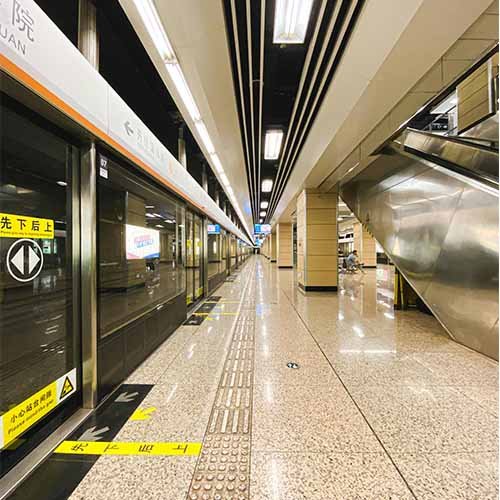
In cities like Beijing, Shanghai, Guangzhou, and Shenzhen, the metro is fast, clean, affordable, and extremely reliable.
How to ride:
- Use Alipay or WeChat’s “Transport” QR code to scan in and out.
- Or buy a single ticket at a machine (English available).
- You can also use a transit card or phone NFC in some cities.
What to expect:
- Security checks at all stations (bags go through X-ray scanners).
- Clear signage and announcements in both Chinese and English.
- Rush hours (7:30–9:30 AM, 5:00–7:00 PM) can be very crowded.
Tip: Stand to the side when boarding and let passengers exit first—it’s taken seriously.
3. Buses: Good for Short Trips
Buses are useful for areas the metro doesn’t reach.
How to use:
- Search routes in Alipay, Apple Maps, or local apps.
- Scan a QR code when boarding (usually no need to scan when exiting, depending on city).
- Stops are announced in Chinese and often English.
Heads up: Driving can feel aggressive compared to Western standards—hold on tight!
4. High-Speed Rail: Travel Between Cities
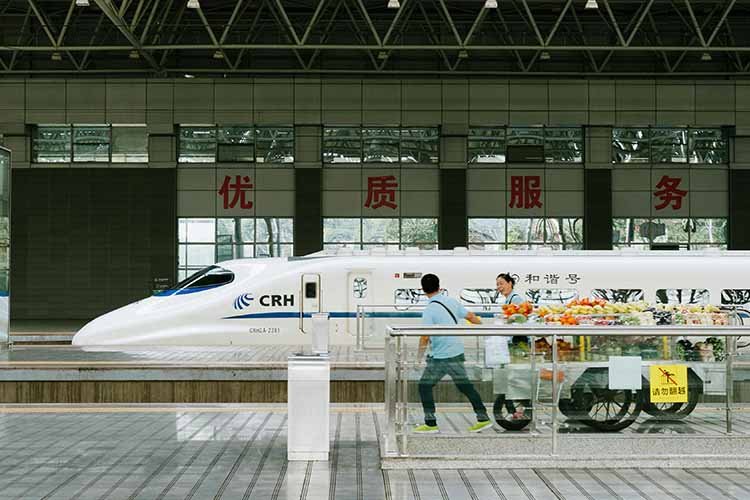
China’s high-speed trains are one of the best ways to travel long distances.
Booking tickets:
- Use the official “12306” app (has an English version).
- Register with your passport.
- Book early during holidays like Chinese New Year or National Day.
At the station:
- Arrive early—security is strict (similar to airports).
- Your passport acts as your ticket in most cases.
Example: Traveling from Shanghai to Beijing takes about 4.5–6 hours by high-speed train—much faster and more convenient than flying when you factor in airport time.
5. Other Convenient Options
Ride-hailing (Didi)
China’s version of Uber. The app has an English interface and supports international payments. Reliable and widely used.
Bike-sharing
Unlock bikes via Alipay or WeChat (brands like HelloBike, Meituan, Qingju). Great for short distances.
Taxis
Cheap compared to many Western countries, but harder to flag down during peak hours. Using Didi is usually easier.
6. Common Questions
What if I don’t speak Chinese?
Use a translation app. You can also show your destination on a map—this works surprisingly well. Younger people often know basic English.
Do I need cash?
Not much. Most places accept mobile payments, but it’s smart to carry around 200–300 RMB (about $30–40 USD) just in case.
Should I get a transit card?
If you’re staying longer than a week or visiting multiple cities, yes. Many cards work across different regions.
Is it safe?
Very safe. Public transportation in China has extensive surveillance and low crime rates. Just keep an eye on your belongings in crowded areas.
7. Practical Tips
- Try scanning into the metro once at the airport or near your hotel to get comfortable.
- Download offline maps (Apple Maps works well; Google Maps is less reliable in China).
- Avoid rush hours when possible.
- Follow local etiquette: no loud talking, no eating on the metro, and offer seats to elderly passengers.
END
China’s public transportation system often surprises visitors from even the most developed countries. Once you get used to mobile payments and QR codes, you’ll find it incredibly easy to move around—even across different cities.
Give yourself a day to adjust, and after that, you’ll be navigating like a local.
Enjoy your trip—and welcome to China!