
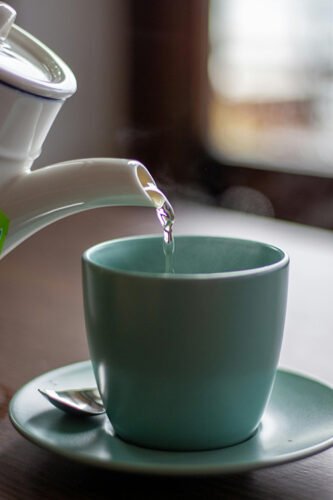
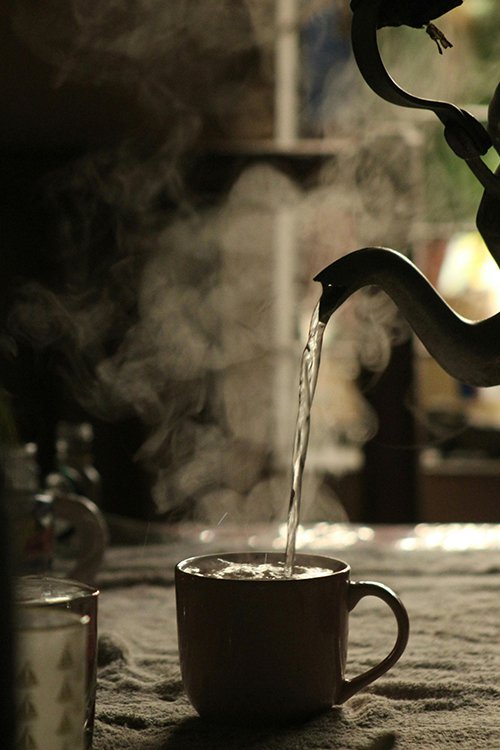
If you’ve ever visited a Chinese restaurant or stayed with a Chinese host family, you might have noticed something peculiar: instead of the ice-cold water you’re used to in the West, they serve hot water—sometimes piping hot, often just warm. No ice, no chill. And if you politely ask for cold water, you might get a concerned look, as if you’ve just requested something that could harm your stomach.
To many Europeans and Americans, this seems odd. Why boil water when modern taps are safe? Why drink something hot even in the sweltering summer? Isn’t cold water more refreshing? The habit isn’t just a quirky preference—it’s deeply rooted in history, health beliefs, and practical realities that shaped Chinese daily life. Let’s break it down.
It’s Not Actually an Ancient Universal Tradition
Many assume Chinese people have been guzzling hot water for thousands of years as part of some timeless custom. The truth is more nuanced. While tea culture played a big role—starting in the Tang Dynasty (around the 7th-10th centuries) when boiling water became essential for brewing tea—the widespread habit of drinking plain hot (boiled) water for everyone is relatively modern, gaining momentum in the last 70-100 years.
In ancient times, fuel was expensive, and most ordinary people couldn’t afford to boil water regularly. Hot drinks were often a luxury for the sick, elderly, pregnant women, or the wealthy. Plain water from wells or rivers was commonly drunk at room temperature or even cold when available. The association with health came later, amplified by Traditional Chinese Medicine (TCM) ideas.
The Role of Traditional Chinese Medicine (TCM)
In TCM, the body is all about balance—yin (cool, passive) and yang (warm, active) energies. China’s climate is often seen as humid and “cold” in a yin sense, so warm or hot water is believed to expel excess “dampness” or cold from the body, promote blood circulation, aid digestion, and keep the stomach “warm.” Cold water, by contrast, is thought to slow digestion, constrict muscles, or introduce “cold” that could lead to discomfort.
You’ll hear Chinese friends say things like:
- “Drink hot water—it warms the stomach and helps with digestion, especially after a meal.”
- “Cold water shocks the system; hot water soothes it.”
This ties into broader dietary views: hot meals pair better with hot drinks, and mixing hot food with ice-cold liquid is sometimes seen as bad for the gut (it might “solidify” fats, according to folk wisdom). Even today, many Chinese people reach for hot water when feeling under the weather, believing it speeds recovery or prevents illness. While modern science doesn’t fully back all these claims as “cure-alls,” warm water can indeed feel comforting for digestion in some cases, and the cultural belief is strong.
Practical Reasons: Safety and Public Health Campaigns
Here’s where history gets really interesting—and explains why the habit exploded in the 20th century.
For centuries, China’s water sources (rivers, wells) could be contaminated, leading to diseases like cholera, dysentery, or parasites. Boiling water kills bacteria and makes it safer. A famous 1862 cholera outbreak in northern China reinforced this: southern regions, where boiled water was more common among some groups, seemed less affected (though other factors were at play). People connected the dots and started associating hot water with survival.
Then came government pushes for public hygiene:
- In the 1930s, the Republic of China’s “New Life Movement” promoted boiled water as part of modernization and health.
- After 1949, especially during the 1950s Patriotic Health Campaign (sparked partly by concerns over bacterial warfare in the Korean War era), the government actively encouraged everyone to drink boiled water to prevent epidemics. Boilers and thermoses (those iconic vacuum flasks) became widespread in schools, workplaces, and homes. “Don’t drink raw (unboiled) water” became a public health slogan.
This wasn’t just top-down— it addressed real water quality issues at the time. Even today, while tap water in many Chinese cities is treated, many people still prefer boiling it out of habit or caution. Thermoses are everywhere: students carry them to class, offices have hot water dispensers, and families keep one on the table.
Compare this to the West: Earlier investments in advanced water treatment, filtration, and chlorination made tap water reliably safe to drink cold straight from the faucet. Refrigeration and ice became everyday luxuries earlier, making chilled drinks the norm—especially refreshing with heavier, fattier Western meals (think burgers or steaks, where ice water cuts through richness).
Why the Difference Feels So Stark Today
- Climate and diet: In humid or variable Chinese climates, warm drinks feel balancing. Western preferences lean toward cooling off quickly.
- Social norms: In China, offering hot water (or tea) is a gesture of hospitality and care. In the West, ice water signals refreshment and abundance.
- Modern twists: Many younger Chinese still love iced drinks or bubble tea, but the default “plain water” remains warm/hot, especially at home or with elders. And yes, “drink more hot water” has become a meme—even a joke—for any ailment, from a breakup to a cold.
Science note: Neither is universally “better.” Hot water can soothe, but very hot drinks (over 60-65°C regularly) may irritate the esophagus over time. Cold water is fine for hydration, especially post-exercise, and your body adapts to what you’re used to. The real key is clean water—temperature is secondary.
Next Time You’re in China…
Try the hot water! It might surprise you how comforting a warm cup feels with a meal, especially in winter. Or during a humid summer—it can actually feel less shocking than ice. Many Westerners who live there end up adopting the habit for tea, digestion, or just the ritual.
This “hot water love” isn’t about one single reason—it’s a mix of ancient TCM wisdom, practical survival against contaminated water, tea culture, and 20th-century public health drives. It shows how everyday habits reveal deeper cultural stories: what one society sees as refreshing, another sees as risky or unbalanced.
So, the next time a Chinese friend hands you a thermos and says “duō hē rè shuǐ” (drink more hot water), smile and know it’s coming from a place of genuine care—rooted in centuries of adapting to life, health, and history. Cheers (with whatever temperature you prefer)!
What do you think—would you give hot water a try?